A Beginners Guide to Selecting Rattraps for 2026 Success
As we approach 2026, the need for effective pest control solutions becomes increasingly important. Homeowners and business owners alike must consider various methods to manage rodent populations effectively. Rattraps remain one of the most traditional yet effective ways to deal with these intruders. This guide will provide beginners with essential knowledge on selecting the right rattraps to ensure success in their pest control efforts.
Understanding the Types of Rattraps
Before diving into the selection process, it is crucial to understand the different types of rattraps available on the market. There are primarily three categories: snap traps, electronic traps, and live traps. Each type has its unique advantages and disadvantages.
Snap traps are perhaps the most well-known type. They function by using a spring-loaded mechanism to swiftly kill the rodent upon contact. These traps are generally inexpensive and easy to use, making them a favourite among many households. However, users must exercise caution, as they can also pose a risk to pets and small children if not placed carefully.
Electronic traps offer a more humane approach. They deliver a high-voltage shock to the rodent, killing it instantly. These traps are reusable, making them a more sustainable option. They typically come with features such as indicator lights to inform users when a rodent has been captured. While they may be more expensive than snap traps, the ease of use and reduced risk to non-target animals can make them a worthwhile investment.
People Also Look For:
- EGOFLYYA 2 Pack Humane Mouse Traps for Indoors & Outdoors, Easy to Use, No Touch Release, Improved Highly Sensitive, Effective Qui...
- Cleaneaty Rat Traps - 4 x Large Heavy Duty Rat Traps That Kill Instantly Reusable Rodent Control Mouse Traps with 1 Pair of Gloves
- RnCop Reusable Mouse Trap, 4 Pack Heavy Duty High Sensitive Mice Catcher, Safe and Effective Rodent Trap for Indoors and Outdoors,...
- Sticky Traps Pest Trap Pads Board - Large Extra Strong Sticky Trap for Multiple Insects in Indoor Outdoor Home Kitchen Garden Gara...
- ROSHIELD 3X Rat Trap Killer Box - Easy to Set Safety Box for Home, Shed & Garage Control & Treatment (Professional Quality, Pack o...
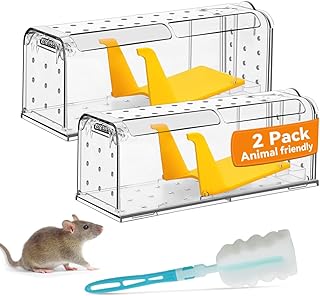
Live traps are designed to capture rodents without harming them, allowing for relocation. This method is often preferred by those who wish to avoid killing the animals. However, relocating rodents can lead to ethical considerations, and it is essential to research local laws regarding the release of captured animals.
Factors to Consider When Choosing Rattraps
When selecting the right rattrap, several factors must be taken into account. Firstly, consider the type of rodent you are dealing with. Different traps may be more effective for various species, such as house mice, field mice, or Norway rats. Understanding the size and behaviour of the rodent can guide you in choosing the appropriate trap.
Secondly, think about the environment in which the traps will be used. Indoor settings may require different considerations compared to outdoor areas. For example, snap traps can be effective indoors but may not be suitable for outdoor use due to exposure to weather elements. In contrast, electronic traps are generally designed for indoor use, where they can remain protected from the elements.
Additionally, the presence of children and pets in your environment is a crucial consideration. If you have young children or pets that may accidentally trigger a trap, opt for traps that are designed with safety features to prevent unintended captures. Some traps come with locking mechanisms or bait compartments that are inaccessible to non-target animals.
Effectiveness and Baiting Techniques
The effectiveness of any rattrap also relies heavily on proper baiting techniques. Using the right bait can significantly increase the chances of capturing the target rodent. Common baits include peanut butter, sunflower seeds, and dried fruit. Ensure that the bait is securely placed within the trap to avoid it being taken without triggering the mechanism.
Strategically placing the traps is equally important. Rodents tend to follow established paths, so positioning traps along these routes can enhance their effectiveness. Look for signs of rodent activity, such as droppings or gnaw marks, to identify the best locations for your traps.
Finally, regular monitoring of the traps is essential. Check them frequently to ensure that they are functioning correctly and to remove any captured rodents promptly. This not only prevents unpleasant odours but also ensures that the traps remain effective for ongoing pest control efforts.