Essential Factors to Consider When Buying Rattraps in 2026
As the world continues to evolve, so do the methods and technologies used for pest control. In 2026, purchasing a rattrap requires careful consideration of various factors to ensure effectiveness, safety and environmental impact. With an increasing awareness about sustainable practices, the right choice of rattrap can make a significant difference in both pest management and ecological balance.
Understanding the Types of Rattraps
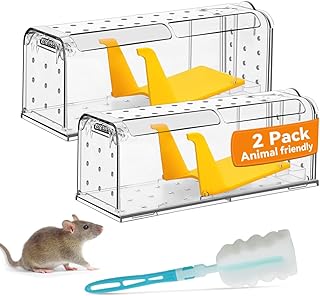
The first step in selecting a rattrap is understanding the different types available on the market. In 2026, the most common types include snap traps, electronic traps, glue traps and live traps. Each type has its own advantages and disadvantages. Snap traps are often considered to be the most humane and effective for quick kills, while electronic traps offer a more modern approach with minimal handling. Glue traps, while effective, can raise ethical concerns as they may cause prolonged suffering. Live traps, on the other hand, allow for the capture and release of rodents, making them a more humane option for those concerned about animal welfare.
Assessing Effectiveness and Efficiency
When choosing a rattrap, efficiency is a crucial factor. In 2026, looking for traps that are designed to target specific rodent species can significantly improve success rates. Understanding the behaviour and habitat of the rodents you are dealing with is essential. For instance, if you are facing a larger species, such as Norway rats, a more robust trap will be necessary compared to one intended for smaller house mice. Additionally, traps that have received positive reviews and endorsements from pest control professionals should be prioritised, as these indicators often reflect their reliability and effectiveness in real-world situations.
People Also Look For:
- 4 Pack Humane Mouse Traps Indoors, Live Mice Traps, Upgraded Sensitive Effective & Easy Use,Touchless Catch Mice, Mouse, Field Mou...
- adam & eesa Sticky Pest Control Traps - Pack of 5 Sticky Trap Boards - Extra Strong Multi-Use Gum Sticky Pads - Effective Pest Con...
- BATUUTAH 4 Pack 14CM Rat Traps – Instant Kill, Non-Toxic Snap Traps – Heavy Duty Rodent Control for Indoor & Outdoor Use – R...
- Mouse Traps No Kill Live Catch,Humane Mouse Trap Mice Release Mouse,Washable Reusable Indoors Rat Traps with Cleaning Brush,Field ...
- ROSHIELD 6 x Mouse Trap, 6 Pack Heavy Duty Reusable Snap Traps that Kill Instantly, High Sensitive Mice Catcher UK, Safe and Effec...
Safety Considerations for Users and Pets
Safety is paramount when selecting any pest control product. In 2026, many rattraps are designed with user safety in mind, featuring mechanisms that minimise the risk of accidental injury. It is important to consider the placement of the traps, especially in households with children and pets. Rattraps that are tamper-resistant and have protective covers are advisable to ensure that non-target animals and humans are not harmed. Additionally, checking for any safety certifications or compliance with safety standards can provide peace of mind regarding the product's design and intended use.
Environmental Impact and Sustainability
In recent years, there has been a growing focus on sustainability and environmental impact when choosing pest control solutions. In 2026, many consumers are more conscious of the ecological footprint of their purchases. Selecting traps that are made from environmentally friendly materials or are designed to be reusable can contribute to more sustainable pest management practices. Additionally, understanding the disposal methods for the traps is important, particularly for those that are not biodegradable. Rattraps that can be recycled or have minimal impact on the environment are becoming more popular as people seek greener alternatives.
Cost and Value for Money
Finally, the cost of rattraps can vary significantly based on the type and features. While affordability is important, it is equally essential to consider the value for money. Investing in a higher-quality trap that offers better effectiveness may save you in the long run by reducing the need for multiple replacements or additional pest control measures. In 2026, it is wise to assess the long-term costs associated with both cheap and premium traps, including potential health risks, effectiveness and the time required to manage pest issues.
As you navigate the various options available in 2026, keeping these essential factors in mind will help you make an informed decision that suits your specific pest control needs. With a range of products on the market, ensuring the right balance between effectiveness, safety and environmental responsibility is key to successful pest management.